



For hospitality buyers comparing investment opportunities across Latin America and the Caribbean, the first impression often begins with beauty: beaches, rainforest, ocean views, tropical design, and the dream of owning a hotel in a destination people already want to visit. But experienced investors know that the true value of a hospitality asset is not defined by scenery alone. It is shaped by stability, infrastructure, access, market depth, seasonality, operating resilience, guest demand, and the ability to create long-term returns.
That is where Costa Rica stands apart.
For buyers exploring Costa Rica boutique hotel investment, the country offers more than a desirable tourism location. It offers a strategic investment environment supported by political stability, strong international recognition, established tourism infrastructure, air access, sustainability leadership, and a travel market increasingly driven by authentic, experience-based hospitality. PROCOMER positions Costa Rica as a politically stable investment environment and highlights sectors that include tourism infrastructure among the country’s foreign direct investment opportunities.
While Caribbean hospitality investment can be attractive, especially in established resort destinations, many island markets also face structural challenges related to limited land, higher import dependency, energy costs, climate vulnerability, hurricane exposure, and narrower tourism models. The World Bank notes that tourism-dependent Caribbean economies face moderating growth due in part to high import and energy costs and climate-related vulnerabilities.
Costa Rica’s advantage is not that it avoids all risk. No hospitality market does. Its advantage is that it offers buyers a more diversified, experience-rich, and institutionally supported platform for boutique hotel acquisition.

A More Stable Platform for Hospitality Investment
For hotel buyers, political and institutional stability matters. A boutique hotel is not a short-term transaction; it is an operating business tied to land use, permits, staffing, taxation, infrastructure, market conditions, and long-term destination reputation.
Costa Rica has built one of Latin America’s strongest international identities around democracy, peace, sustainability, biodiversity, and responsible tourism. This reputation gives the country an important advantage in attracting travelers, investors, and long-term operators who are seeking more than a speculative opportunity.
For buyers comparing hotel ROI in Costa Rica vs Caribbean destinations, this stability can influence both confidence and exit value. A hotel located in a recognized, well-positioned country may be easier to market, easier to operate, and easier to reposition over time.
In the Caribbean, market conditions vary widely by island. Some destinations are highly developed and investor-friendly, while others may present greater exposure to climate events, limited workforce availability, import costs, or infrastructure constraints. These variables can affect operating costs, insurance, maintenance, seasonality, and long-term asset performance.
Costa Rica’s hospitality market benefits from a broader national platform. Its tourism offering is not limited to beach resorts. It includes volcanoes, rainforest lodges, wellness retreats, wildlife destinations, surf towns, mountain hideaways, cultural experiences, adventure travel, luxury nature stays, and conservation-driven hospitality. This diversity gives boutique hotels more ways to differentiate and more reasons for guests to travel year-round.

Beyond the Beach: Costa Rica’s Experiential Tourism Advantage
One of Costa Rica’s clearest advantages over many Caribbean hospitality markets is the strength of its experience-based tourism.
In many Caribbean destinations, the primary tourism model is still heavily centered on beach vacations, all-inclusive resorts, cruises, and coastal leisure. These products can be profitable, but they often compete on similar promises: sun, sand, sea, and resort comfort.
Costa Rica offers a broader emotional and experiential proposition. Travelers come for wildlife, volcanoes, rainforest, wellness, surfing, birdwatching, hiking, waterfalls, hot springs, rural culture, conservation, family adventure, and boutique stays close to nature.
This matters for investors.
Boutique hotels perform best when they can tell a story. Costa Rica gives hotel owners that story naturally. A property does not need to compete only on room size or beachfront access. It can be positioned around rainforest immersion, wellness, sustainability, wildlife corridors, farm-to-table dining, cultural connection, adventure access, or multi-destination travel.
For buyers seeking boutique hospitality opportunities in Costa Rica, this creates a powerful strategic advantage. The property itself can become part of a larger destination narrative rather than a standalone accommodation product.
This is especially important in the current travel market, where guests increasingly seek meaningful stays, personalized service, nature immersion, privacy, authenticity, and a sense of place. Costa Rica’s boutique hotel sector is well aligned with this demand.

Infrastructure and Access to Key Markets
Access is one of the most important factors in hospitality investment. A hotel may be beautiful, but if it is difficult, expensive, or unreliable to reach, its market potential narrows.
Costa Rica benefits from two major international airport gateways, established tourism corridors, a growing domestic tourism culture, and strong awareness in North American and European markets. The ICT provides official tourism statistics, market information, and reports that investors can use to evaluate demand, arrivals, tourist profiles, and sector performance.
For buyers, this type of market data matters. It supports better decision-making around acquisition, pricing, repositioning, expansion, and sales strategy. The ICT also has an Investment Attraction Unit for those interested in buying or developing tourism businesses such as hotels, restaurants, theme parks, and other tourism-related categories.
Compared with many island markets, Costa Rica offers a wider range of destination types within one country. A guest can combine Arenal, Monteverde, Guanacaste, the South Pacific, the Caribbean coast, San José, and wellness or adventure regions into one itinerary. This multi-destination strength helps boutique hotels benefit from broader travel circuits instead of depending on one isolated resort zone.
For investors, that means more flexibility. A boutique hotel can target honeymooners, families, wellness travelers, adventure travelers, digital nomads, birdwatchers, luxury nature travelers, corporate retreats, or multi-generational groups depending on location and concept.
Caribbean Hospitality Investment: Attractive, but More Exposed
The Caribbean remains one of the world’s most recognizable leisure regions. It has strong brand recognition, well-established resort destinations, and a long history of hospitality investment. However, buyers should compare not only destination appeal, but also operating exposure.
Caribbean markets can be more vulnerable to climate-related disruptions, hurricane season, high energy and import costs, and dependence on a narrower range of travel products. The World Bank has emphasized that Caribbean tourism and small island economies face climate-related shocks, infrastructure resilience needs, and broader vulnerability to natural disasters.
For a hotel buyer, those risks can affect insurance costs, capital expenditure, business interruption planning, seasonality, staffing, utilities, and long-term maintenance.
Costa Rica is also a tropical country and faces its own environmental and infrastructure challenges. However, its hospitality investment case is strengthened by geographic diversity, non-island logistics, extensive nature-based tourism, international air access, and a tourism identity that is not dependent on one single type of vacation.
In a direct Caribbean hospitality investment comparison, the strategic question is not simply “Which destination is more beautiful?” Both can be beautiful. The stronger question is: Which market gives the buyer more ways to create value, manage risk, and build a differentiated hospitality asset?
Costa Rica often has the stronger answer.

Boutique Hotels Are Better Matched to Costa Rica’s Tourism DNA
Costa Rica’s tourism identity was not built around mass tourism alone. It was built around nature, conservation, small-scale experiences, local connection, adventure, and sustainability. This makes boutique hotels especially well matched to the country’s brand.
A boutique hotel in Costa Rica can succeed by being intimate, experiential, and destination-specific. It can offer:
- Personalized service
- Nature access
- Wellness programming
- Wildlife experiences
- Cultural connection
- Sustainable operations
- Adventure partnerships
- Culinary identity
- Conservation storytelling
- Multi-destination itinerary value
These are not secondary details. They are competitive advantages.
In many Caribbean markets, boutique properties often compete against large branded resorts, all-inclusive hotels, cruise-driven visitation, and beachfront inventory. In Costa Rica, boutique hotels can be central to the destination experience itself.
This is especially important for luxury buyers. Luxury hotel acquisition in Costa Rica is increasingly about more than high-end construction. It is about acquiring a property that can deliver privacy, place, nature, design, wellness, and meaningful guest experiences.
The best boutique hotels in Costa Rica are not trying to imitate large resorts. They are succeeding because they offer something different.
ROI Is Not Only About Occupancy
When comparing hotel ROI Costa Rica vs Caribbean, investors should look beyond occupancy rates alone.
A hotel’s return potential is influenced by many factors:
- Average daily rate
- Direct booking strength
- Operating costs
- Seasonality
- Guest segmentation
- Staff availability
- Maintenance needs
- Insurance exposure
- Expansion potential
- Brand positioning
- Online reputation
- Tour and experience revenue
- Food and beverage performance
- Wellness and retreat opportunities
- Ability to reposition the property
Costa Rica’s boutique hotel market often allows investors to improve ROI through repositioning and experience development. A well-located property may gain value by strengthening its brand, improving direct bookings, developing wellness programs, building tour partnerships, enhancing sustainability credentials, or targeting higher-value guest segments.
The opportunity is not only to buy rooms. It is to buy a hospitality platform.
Investment Incentives and Official Support
Costa Rica also offers an institutional framework that investors can explore as part of their due diligence.
PROCOMER administers special regimes including the Free Zone Regime, Inward Processing, and Drawback, which provide tax and investment-related incentives granted by the Costa Rican government. While these regimes may not apply automatically to every hotel acquisition, they are important for investors evaluating broader business structures, tourism-related services, export-oriented operations, or complementary investment models.
The Instituto Costarricense de Turismo (ICT) or Costa Rican Tourism Bureau is also an important reference point for hospitality buyers. Its official tourism statistics, market data, and investment attraction resources can help investors understand demand trends, visitor behavior, tourism performance, and the broader sector outlook.
For any investor, these resources should be part of the research process. A serious acquisition should combine property-level due diligence with national tourism data, legal review, market analysis, and clear operational planning.
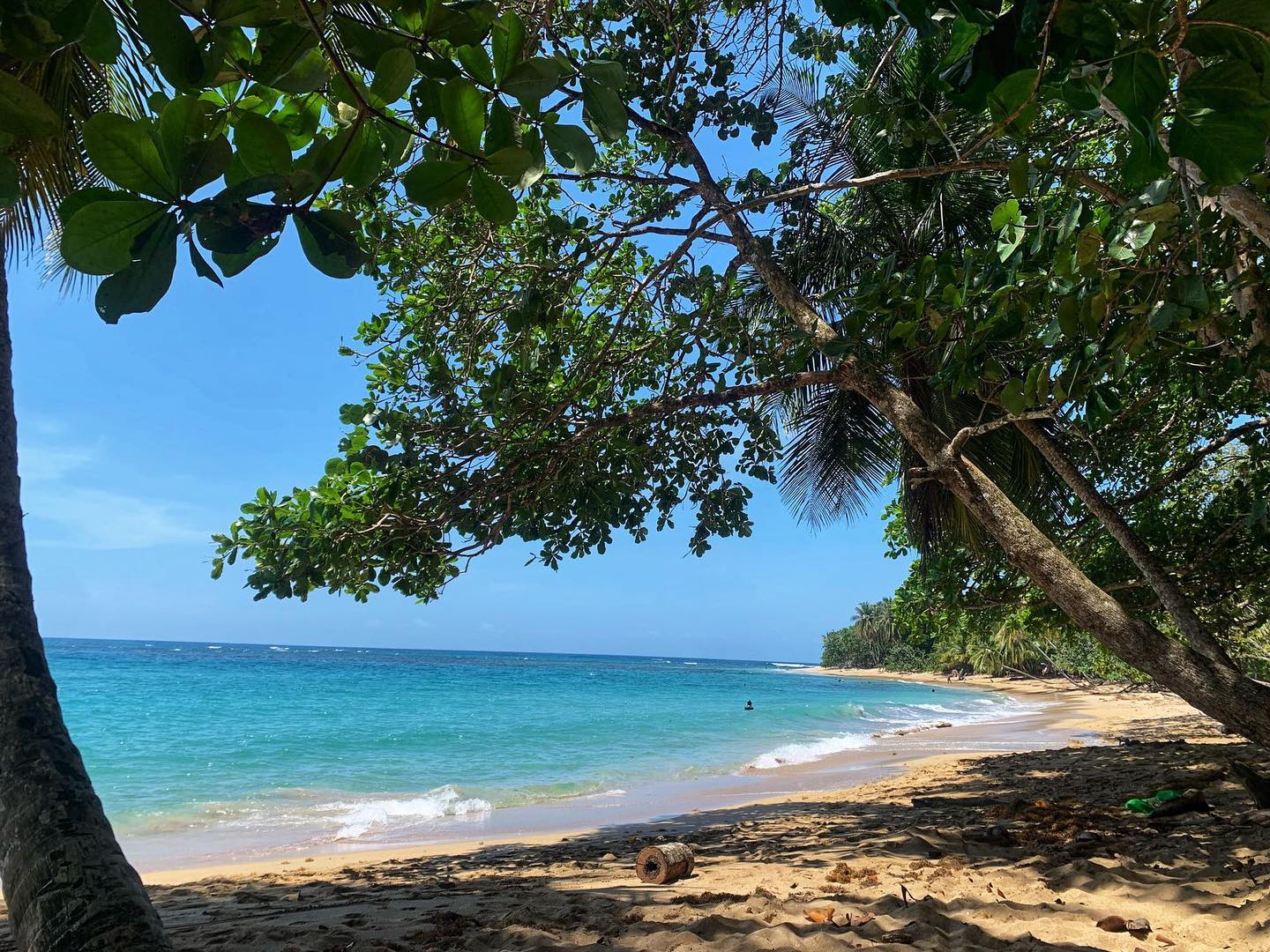
Costa Rica’s Strategic Advantage for Hotel Buyers
Costa Rica’s boutique hotel market is especially attractive because it brings together several advantages in one destination:
- A globally recognized tourism brand
- Political and institutional stability
- Strong nature and sustainability positioning
- Diverse destinations within one country
- Established tourism infrastructure
- Access to North American and European markets
- Demand for experiential travel
- Boutique hospitality alignment
- Opportunities for repositioning and value creation
- Official tourism and investment resources
For buyers comparing Costa Rica with the Caribbean, this combination can be decisive.
The Caribbean may offer strong resort markets, but Costa Rica offers a broader boutique hospitality ecosystem. It gives investors the ability to build a property around adventure, wellness, rainforest, volcanoes, wildlife, beaches, culture, conservation, and authentic guest experiences.
That diversity is not just attractive for travelers. It is strategically valuable for buyers.
The Buyer’s Opportunity
The best hospitality investments are not only about buying in a popular destination. They are about identifying where demand is evolving, where the operating environment supports long-term value, and where a property can be positioned for a clear competitive advantage.
Costa Rica is well placed for that future.
For buyers seeking boutique hotels, eco-lodges, luxury nature retreats, wellness properties, or distinctive hospitality assets, Costa Rica offers a compelling alternative to traditional Caribbean resort investment. Its strength lies not only in its landscapes, but in the way those landscapes connect with the future of travel.
Travelers want experiences. Investors want resilience. Boutique hotels in Costa Rica can offer both.
Work with Invest Costa Rica
Invest Costa Rica helps qualified buyers explore hotel and hospitality investment opportunities throughout Costa Rica, from boutique hotels and eco-lodges to luxury nature properties and tourism-related assets.
Whether you are comparing Costa Rica with Caribbean hospitality investment opportunities, seeking a boutique hotel acquisition, or evaluating the long-term ROI potential of a property, our team can help you understand the market and identify opportunities aligned with your investment goals.
For additional official investment and tourism resources, buyers may also consult PROCOMER for information on special regimes and incentives, and the ICT for tourism market data, statistics, and investment attraction resources.
Ready to explore boutique hotel investment opportunities in Costa Rica? Contact Invest Costa Rica and begin the conversation.
Frequently Asked Questions About Hotel Investment in Costa Rica
Is Costa Rica a good place to invest in a hotel?
Yes. Costa Rica is widely regarded as one of Latin America’s most attractive destinations for hospitality investment. Its stable democracy, strong tourism industry, international reputation for sustainability, and year-round visitor demand create favourable conditions for long-term hotel investment.
Can foreigners buy hotels in Costa Rica?
Yes. Foreign nationals generally have the same property ownership rights as Costa Rican citizens, including the ability to purchase hotels, boutique lodges, eco-resorts, and other hospitality businesses. Working with experienced legal and real estate professionals is recommended to ensure proper due diligence.
What types of hotels are most popular with international investors?
Boutique hotels, eco-lodges, beachfront resorts, wellness retreats, and luxury nature-based accommodations are among the most sought-after hospitality investments. Properties that offer authentic experiences and demonstrate sustainable practices are particularly attractive in today’s tourism market.
Which areas of Costa Rica offer the best hotel investment opportunities?
Popular regions include Guanacaste, the Central Pacific, La Fortuna, Monteverde, the Southern Pacific, the Osa Peninsula, Puerto Viejo, and Tortuguero. The best location depends on your investment objectives, target market, and preferred hospitality concept.
Is it better to buy an existing hotel or develop a new one?
Both approaches offer advantages. Purchasing an established hotel can provide immediate cash flow, an experienced team, and an existing guest base, while developing a new property allows investors to create a unique concept tailored to emerging tourism trends and market demand.
What should investors evaluate before purchasing a hotel in Costa Rica?
In addition to the property’s location and physical condition, investors should assess financial performance, occupancy history, operational costs, staffing, permits, online reputation, environmental considerations, and future tourism potential. Comprehensive legal and operational due diligence is essential before completing any acquisition.
Are sustainable hotels more profitable in Costa Rica?
Sustainability has become a significant competitive advantage. Many travellers actively seek environmentally responsible accommodations, and hotels that incorporate energy efficiency, conservation initiatives, and authentic local experiences often enjoy stronger brand positioning and guest loyalty.
Why is Costa Rica considered a leading destination for hospitality investment?
Costa Rica combines political stability, exceptional natural attractions, a globally recognised tourism brand, excellent international connectivity, and a mature tourism infrastructure. These factors, together with increasing demand for experiential and sustainable travel, continue to make the country one of the strongest hospitality investment markets in the Americas.
Why are international investors choosing Costa Rica over other Caribbean and Latin American destinations?
Many international investors choose Costa Rica because it offers a unique combination of political stability, environmental leadership, well-developed tourism infrastructure, and a globally recognised reputation for sustainable travel. Unlike many competing destinations, Costa Rica attracts visitors throughout the year and appeals to high-value markets seeking wellness, nature, luxury, and authentic cultural experiences, supporting long-term growth in the hospitality sector.
This final question is particularly valuable because it directly addresses a common comparison that potential investors make and reinforces Costa Rica’s competitive advantages for both traditional search engines and AI-powered search.