

Costa Rica has never been a destination that fits neatly into one travel category. It is tropical, but not only a beach destination. It is adventurous, but not only for thrill seekers. It is sustainable, but increasingly challenged to prove what responsible tourism really means. It is small enough to cross in a day, yet diverse enough to feel like several countries woven into one.
That is why the latest conversations in Costa Rican tourism are worth watching.
The country is entering a more mature phase of travel, where visitors are no longer asking only where to stay or what to do. They are asking when to travel, how to avoid crowds, where to see wildlife, how to connect more deeply with nature, and how to choose hotels and experiences that feel authentic, responsible, and memorable.
In 2026, several important themes are shaping how travelers experience Costa Rica: the reimagining of Green Season, the rise of wildlife-focused travel, a more natural approach to wellness, renewed interest in boutique eco-luxury, and a growing awareness that sustainability must include both conservation and community wellbeing.
For travelers, this is good news. Costa Rica is not standing still. It is evolving.
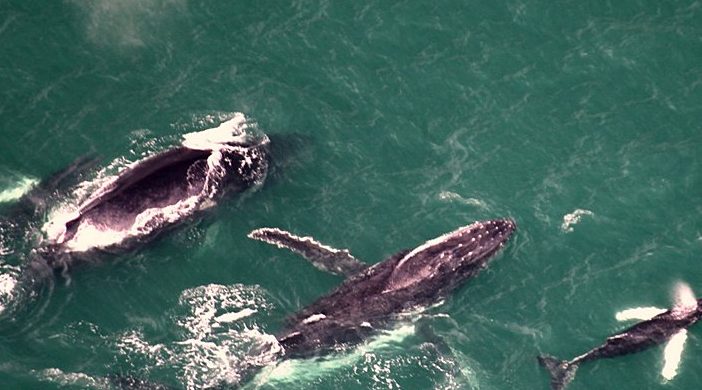
Green Season Is Becoming Wildlife Season
For years, many travelers thought of Costa Rica’s Green Season as the quieter, rainier, more affordable part of the travel calendar. That view is changing.
Green Season, generally running from May through November, is increasingly being understood as one of the most rewarding times to experience the country’s natural rhythms. The landscapes are lush, waterfalls are fuller, forests feel alive, and wildlife activity becomes one of the great reasons to travel.
Condé Nast Traveler recently highlighted a broader sustainability trend around redefining off-seasons, noting that some sustainable hospitality voices in Costa Rica are helping reframe the rainy months as “wildlife season,” when whales arrive, turtles nest, and mammals are active with their young.
This shift matters because it changes the way travelers plan. Instead of seeing August or September as months to avoid, nature-focused visitors are beginning to see them as months with their own special rewards.
For Costa Rica, this is a major opportunity. Green Season can help distribute tourism more evenly through the year, reduce pressure on peak travel months, and invite visitors to experience the country with a slower, more observant mindset.
It is also a powerful message for destinations such as Golfo Dulce, the Osa Peninsula, Tortuguero, Monteverde, Arenal, and Guanacaste’s wetlands, where seasonal wildlife, rainfall, river systems, forest growth, and biodiversity are part of the experience rather than an interruption to it.

Golfo Dulce and the South Pacific Are Having a Moment
One of the most exciting themes in Costa Rica travel right now is the growing attention being given to the country’s South Pacific.
Golfo Dulce, long loved by conservationists, naturalists, and travelers seeking quieter corners of Costa Rica, is beginning to appear more prominently in international travel coverage. Condé Nast Traveler recently described the area as a rare tropical fjord surrounded by rainforest and protected lands, noting its proximity to Piedras Blancas National Park and Corcovado National Park. The same article highlighted Golfo Dulce as a Whale Heritage Site and described it as one of the few places where humpback whales from both hemispheres use the warm waters to give birth and nurse their young. (Condé Nast Traveler)
For travelers, this helps explain why Golfo Dulce feels different from more developed beach destinations. It is not just beautiful; it is biologically significant.
The region brings together rainforest, marine life, dolphins, whales, mangroves, birds, secluded beaches, and boat-access lodges in a way that feels increasingly rare. It offers a version of Costa Rica that is immersive, intimate, and deeply tied to conservation.
This also reflects a larger trend: travelers are looking beyond the most obvious destinations. They still love Costa Rica’s iconic places, but they are also seeking regions that feel more remote, less crowded, and more connected to wildlife and landscape.
For Enchanting Costa Rica readers, Golfo Dulce is one of those places to watch.
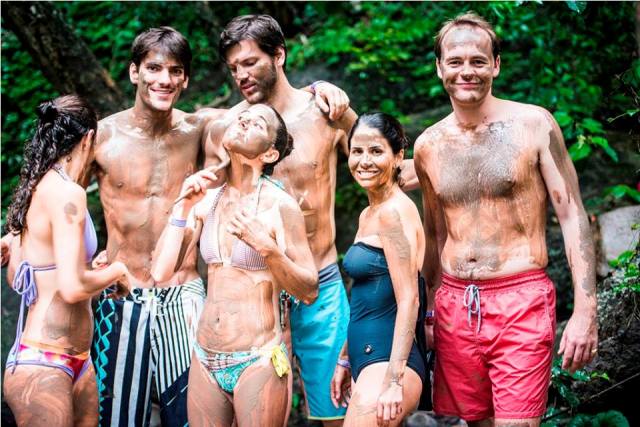
Wellness Travel Is Becoming More Natural
Wellness tourism in Costa Rica is also changing. It is no longer defined only by spa treatments, yoga classes, or retreat schedules. Travelers are now looking for wellness that feels woven into the destination itself.
In Costa Rica, that might mean waking to birdsong in the rainforest, walking barefoot near the ocean, soaking in thermal waters, eating fresh local ingredients, watching the sunrise over a volcano, taking time away from digital noise, or spending a few days in a place where the pace of life slows naturally.
This is where Costa Rica has a real advantage. Wellness here does not need to be invented. It is already in the landscape.
A rainforest lodge, a volcano retreat, a beach bungalow, a wetland escape, or a boutique hotel surrounded by gardens can all become part of a wellness experience when they help travelers rest, reconnect, and return home feeling different.
This shift also supports the rise of softer itineraries. Not every traveler wants to fill each day with intense adventure. Many now want a balance: a morning walk, a meaningful tour, a good meal, a quiet afternoon, and a place to sleep well. Costa Rica’s ability to offer both activity and stillness is becoming one of its strongest travel advantages.
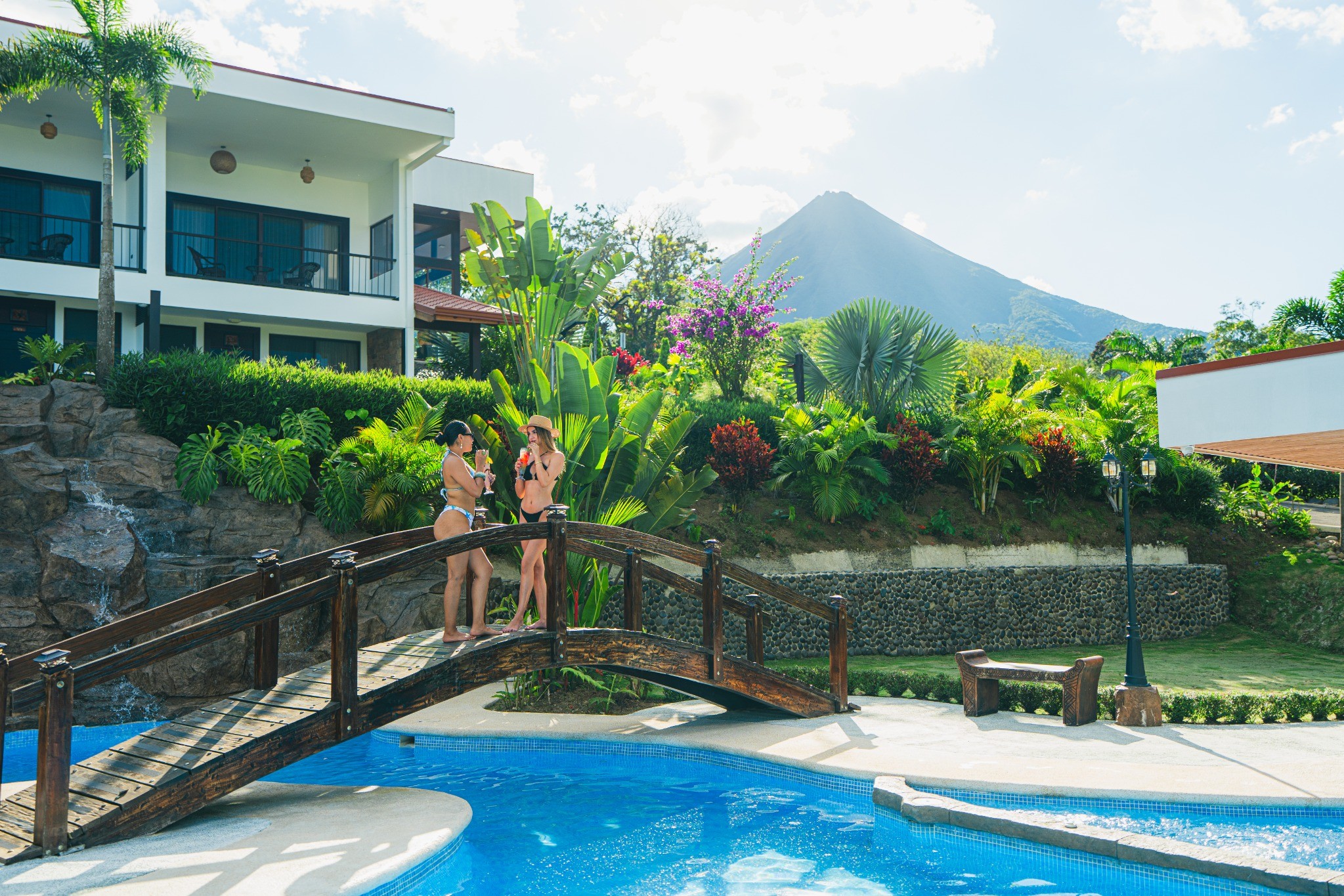
Eco-Luxury Is Being Redefined
Luxury in Costa Rica has always been different from luxury in more urban or resort-heavy destinations. Increasingly, travelers are understanding that.
The new luxury is not necessarily about marble lobbies, oversized resorts, or formal service. It is about space, privacy, clean air, natural beauty, excellent guiding, personal attention, meaningful design, conservation values, fresh food, and the feeling of being close to something real.
This is especially relevant in Costa Rica because many of the country’s most memorable properties are boutique hotels, eco-lodges, rainforest retreats, ranch hotels, coastal hideaways, and nature-based stays. Their value lies not only in amenities, but in access: to wildlife, silence, trails, water, culture, and landscape.
The national tourism brand continues to reinforce this connection between biodiversity, conservation, and responsible travel. Costa Rica’s official tourism site emphasizes that sustainability is embedded in the country’s identity and notes that 30% of the territory is protected natural land, including national parks and preserves.
For travelers, this creates a powerful question: what does luxury feel like when nature is the main event?
In Costa Rica, the answer may be a private trail, an open-air dining room, a guide who can identify birds by sound, a room with a forest view, a thermal pool after a day of hiking, or a quiet night where the only noise is the rainforest.
Tourism Growth Is Becoming a More Nuanced Conversation
Another important theme in Costa Rica tourism is that growth is no longer discussed only in terms of more visitors. The conversation is becoming more nuanced.
Recent reporting has pointed to both resilience and pressure. The Tico Times reported that Costa Rica finished the first half of 2026 with record air arrivals, while also noting a June decline and watching whether softer U.S. arrivals could affect the second half of the year. TravelMole also reported that after a sluggish 2025, tourism businesses faced uneven hotel occupancy, shorter stays, price sensitivity, rising operating costs, and margin pressure.
This does not mean Costa Rica is losing its appeal. Quite the opposite: it shows that the country is operating in a more competitive and complex global travel market.
Travelers are still coming, but they are more selective. They compare value more carefully. They look for meaning, quality, convenience, and trust. They may be willing to pay for an exceptional experience, but they want to understand what makes it special.
For hotels, lodges, tour operators, and destination brands, this means messaging matters. Generic travel language is no longer enough. Costa Rica tourism businesses need to explain their difference clearly: location, conservation, service, experience, access, authenticity, comfort, and value.
The strongest brands will be those that know how to tell their story.
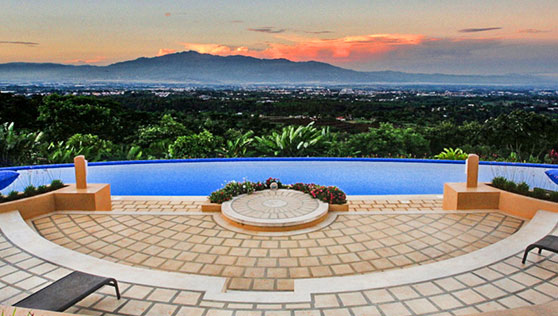
Sustainability Must Include Communities
Costa Rica’s global reputation for sustainability remains one of its greatest strengths. But the next chapter of sustainable tourism must go beyond protected areas and eco-certifications. It must also include communities, housing, local employment, culture, and the social effects of tourism growth.
International sustainability trends are moving in this direction. Condé Nast Traveler’s 2026 sustainability trends highlight community empowerment, regenerative travel, eco-conscious visitor behavior, crowd distribution, and rural trails as part of the future of responsible tourism.
Costa Rica is well positioned for this conversation, but it also has to keep evolving.
The country’s best tourism experiences often depend on local knowledge: guides, farmers, cooks, boat captains, artisans, conservationists, small business owners, and communities that give each destination its character. As tourism grows, the challenge is to ensure that local people remain active participants and beneficiaries, not just background scenery.
For travelers, this means choosing experiences that are locally rooted and respectful. For tourism businesses, it means thinking beyond marketing language and showing how sustainability is practiced in daily operations.
The future of Costa Rica tourism will not only be about protecting forests and wildlife. It will also be about protecting the human fabric that makes each place meaningful.
Multi-Destination Travel Remains Costa Rica’s Great Advantage
One of Costa Rica’s strongest tourism advantages is still its ability to offer several different kinds of travel in one trip.
A traveler can begin with volcano views in La Fortuna, continue to cloud forest in Monteverde, move on to the wetlands of Guanacaste, spend time at a beach hotel, then finish in the rainforest of Golfo Dulce or the Caribbean coast. Few destinations allow so much variety within such a compact geography.
This matters even more now because travelers are looking for richer itineraries. They want contrast: adventure and rest, wildlife and culture, beach and forest, comfort and authenticity.
For boutique hotels and curated travel brands, this opens an important opportunity. Instead of selling one room in one place, the experience can become part of a larger Costa Rican journey.
That is one of the reasons Costa Rica continues to stand apart. It is not a single-destination country. It is a collection of landscapes, moods, ecosystems, and travel styles that can be combined in deeply personal ways.
What This Means for Travelers
For anyone planning a Costa Rica trip now, the latest tourism trends point toward a few clear recommendations.
Travel outside the traditional high season if nature is a priority. Green Season can offer extraordinary wildlife, lush landscapes, and quieter travel moments.
Look beyond the beach. Costa Rica’s volcanoes, rainforests, wetlands, rivers, and remote gulfs are often where the most memorable experiences happen.
Choose boutique hotels and lodges that are connected to their surroundings. The best stays are not only comfortable; they help you understand where you are.
Build in time to slow down. Costa Rica rewards travelers who leave room for the unexpected: a bird outside the room, a conversation with a guide, a sudden rainstorm, a whale sighting, or a quiet morning with nowhere to rush.
And perhaps most importantly, choose travel experiences that feel responsible, not only impressive.
Costa Rica Is Evolving, and That Is the Story
The latest news in Costa Rica tourism is not one single headline. It is a pattern.
Green Season is becoming wildlife season. Wellness is becoming more natural. Luxury is becoming more meaningful. Sustainability is becoming more demanding. Travelers are becoming more selective. Boutique stays are becoming more valuable. Lesser-known regions are gaining attention. And Costa Rica’s greatest strength remains what it has always been: the ability to bring people close to nature in ways that feel personal, memorable, and alive.
For travelers, this is an exciting moment.
Costa Rica is not just a place to visit. It is a destination to keep rediscovering.
FAQ
What are the latest Costa Rica tourism trends?
Some of the strongest current Costa Rica tourism trends include Green Season wildlife travel, whale watching, wellness tourism, boutique eco-luxury, sustainable travel, multi-destination itineraries, and growing interest in less crowded nature destinations.
Is Green Season a good time to visit Costa Rica?
Yes. Green Season can be one of the best times to visit Costa Rica for travelers interested in lush landscapes, wildlife, waterfalls, fewer crowds, and seasonal experiences such as whale watching and turtle nesting. Weather varies by region, so it is important to plan according to destination.
Where can travelers see whales in Costa Rica?
Golfo Dulce and the South Pacific coast are among Costa Rica’s most important whale watching regions, especially during the months when humpback whales arrive in warm tropical waters to breed and nurse their calves.
Why is wellness travel growing in Costa Rica?
Wellness travel is growing in Costa Rica because the country naturally supports rest, nature immersion, outdoor activity, fresh food, thermal waters, yoga, wildlife observation, and digital disconnection. Wellness is increasingly seen as part of the destination itself.
What makes Costa Rica different from other tropical destinations?
Costa Rica combines beaches, volcanoes, rainforests, wetlands, wildlife, sustainability, adventure, wellness, and boutique hotels within one compact country. This diversity makes it ideal for multi-destination travel and nature-based experiences.