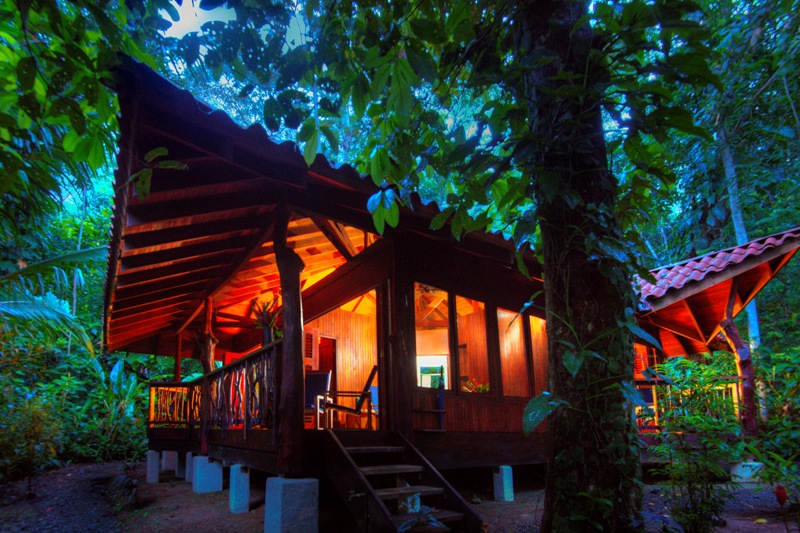




Why Costa Rica Appeals to Hotel Investors
Costa Rica has several qualities that make it especially appealing for hospitality investment. It has an established international tourism brand, strong air connectivity, political stability, a peaceful national identity, and a global reputation for biodiversity and sustainability. It is known for experiences that align with current travel demand: nature, wellness, adventure, authenticity, conservation, and meaningful connection. Unlike destinations that depend heavily on one type of tourism, Costa Rica offers diverse travel motivations. Visitors come for surfing, wildlife, yoga, family vacations, honeymoons, birdwatching, volcanoes, rainforest lodges, beach escapes, sport fishing, cultural experiences, and luxury eco-travel. This diversity helps create opportunities for different types of hospitality assets across multiple regions. For investors, this means Costa Rica is not a one-market destination. A boutique hotel in Guanacaste, an eco-lodge in the rainforest, a wellness retreat in the mountains, a coastal property on the Central Pacific, and a small urban hotel in San José may all appeal to different guest profiles and business models.Boutique Hotels Offer More Than Rooms
One reason boutique hotels are attracting international investors is that they offer identity. In a destination like Costa Rica, travelers are often looking for more than a place to sleep. They want atmosphere, personal service, local connection, access to nature, and a sense that the property reflects the destination. This is where boutique hotels can perform especially well. Their smaller scale allows them to create memorable guest experiences, build a loyal following, and differentiate themselves from larger, more standardized properties. For investors, that character can become part of the value. A boutique hotel may include unique architecture, tropical gardens, ocean views, rainforest trails, wellness spaces, restaurant concepts, tour partnerships, or sustainability practices. These elements help shape the guest experience and support stronger positioning in the market. In the right hands, a boutique hotel can be both a business and a brand.The Rise of Sustainable and Nature-Based Hospitality
Costa Rica’s global reputation is closely tied to sustainability, conservation, and nature-based tourism. This gives eco-lodges, rainforest retreats, wildlife-focused properties, and sustainable boutique hotels a strong narrative advantage. International travelers increasingly value responsible travel, local experiences, wellness, and environmental awareness. In Costa Rica, these expectations are not a niche trend; they are part of the country’s destination identity. This creates opportunities for investors who understand that sustainability is not only an ethical commitment, but also a market position. An eco-lodge or boutique hotel that integrates conservation, local employment, renewable energy, responsible operations, and authentic guest experiences can stand out in a crowded travel market. For buyers who want purpose as well as profit, this type of hospitality asset can be especially attractive.
Location Still Shapes the Investment
While Costa Rica offers many promising regions, location remains one of the most important factors in hotel investment. Different destinations serve different markets. Guanacaste is known for beaches, dry tropical forest, luxury development, international airport access, and strong visitor demand. The Central Pacific offers beach towns, surf, national parks, and easy access from San José. The Southern Pacific and Golfo Dulce appeal to travelers seeking rainforest, wildlife, remoteness, and eco-tourism. The Northern Zone attracts visitors interested in volcanoes, hot springs, adventure, and wellness. San José and the Central Valley serve business travelers, cultural visitors, medical tourism, and arrival or departure stays. Each region has its own strengths, challenges, seasonality, infrastructure, labor dynamics, and guest profile. Investors should consider not only the beauty of a property, but also access, demand patterns, competitive positioning, local services, permits, staffing, and growth potential.Buying an Operating Hotel Can Reduce Start-Up Complexity
For many international investors, buying an existing boutique hotel or hospitality business may be more attractive than developing from scratch. A turnkey or semi-operational property can offer existing infrastructure, permits, staff, supplier relationships, guest history, reviews, online presence, and revenue records. This can help reduce some of the complexity associated with entering a new market. However, buyers should still approach every opportunity with careful due diligence. A hotel is not only a real estate asset; it is an operating business with systems, costs, reputation, legal obligations, and future capital needs. Before buying a hotel in Costa Rica, investors should review financial performance, occupancy history, average daily rate, operating expenses, staffing structure, maintenance requirements, land status, permits, concession issues where applicable, online reputation, direct booking performance, and opportunities for repositioning.The Lifestyle Investment Factor
Costa Rica also attracts buyers because of lifestyle. Many international investors are drawn to the idea of owning a hospitality business in a country known for nature, outdoor living, wellness, and quality of life. For some, hotel investment is not purely financial; it is also a personal transition. This can be a strength, but it also requires clarity. A hotel may look like a dream from the outside, but successful ownership requires management, market knowledge, operational discipline, and realistic expectations. The most successful buyers are often those who balance emotional attraction with professional analysis. A boutique hotel can offer a meaningful lifestyle, but it should still be evaluated as a business.What Serious Investors Should Look For
Not every hotel for sale in Costa Rica is the right investment. Serious buyers should look for properties with clear positioning, accurate financial information, legal clarity, operational potential, and a realistic path for improvement or growth. The best opportunities are not always the most obvious. Some properties may be underperforming but well located. Others may have strong reputations but need operational modernization. Some may be ideal for repositioning toward wellness, sustainability, family travel, retreats, or higher-value guest segments. The key is to understand the full story behind the asset: what it is today, what it could become, and what investment would be required to get there.